English
 日本語
日本語 한국어
한국어 français
 tiếng việt
 Indonesia
 Español
 العربية
 русский
Feb 05, 2026
Blog

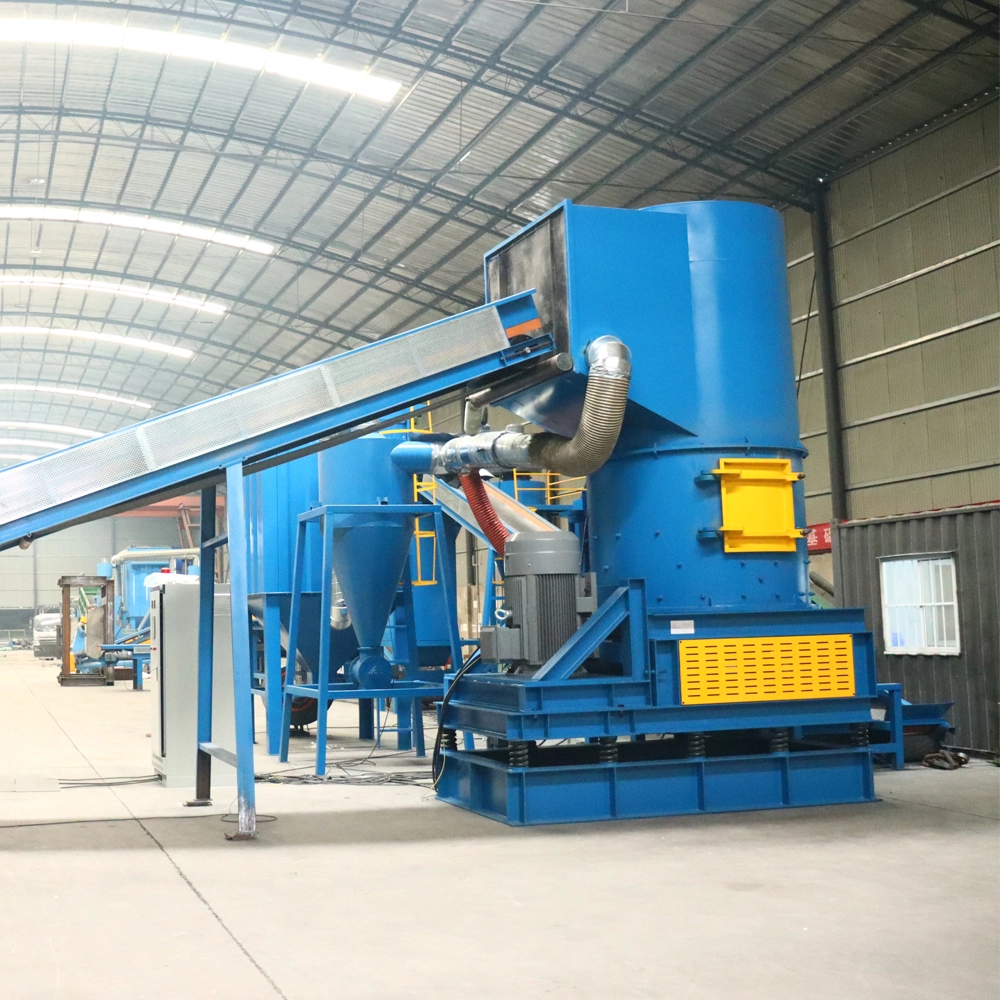
In the metal recycling and waste processing industries, equipment selection plays a decisive role in operational efficiency, final product quality, and profitability. Two machines that are often mentioned in heavy-duty recycling processes are the vertical mill and the vertical shredder. While their names might sound similar, their functions, design, and application fields are very different. Understanding these distinctions can help recycling plants, scrap processors, and government recycling projects choose the right solution for their needs.
Vertical Mill:
A vertical mill is primarily designed for grinding, pulverizing, or machining materials into smaller particles or precise shapes. In recycling industries, vertical mills are sometimes used for reprocessing metals into fine granules or powders, which can then be melted or re-used. The working principle relies on vertical alignment of the grinding parts, with material fed from the top and processed through rotating grinding tools.
Vertical Shredder:
A vertical shredder, on the other hand, is built for size reduction and material liberation in scrap metal recycling. It uses a high-speed vertical rotor equipped with hammers, teeth, or cutters to shred, crush, and separate different components from a bulk waste stream. Yuebang’s vertical shredder is engineered to handle heavy-duty tasks such as shredding end-of-life vehicles, aluminum wheels, steel scrap, and mixed waste streams, preparing them for downstream separation.
| Feature / Function | Vertical Mill | Vertical Shredder |
|---|---|---|
| Primary Purpose | Grinding, machining, or pulverizing materials | Shredding and liberating materials for recycling |
| Material Input | Pre-processed or relatively uniform material | Bulk waste, mixed metals, large scrap pieces |
| Output Size | Fine powders or small granules | Shredded fragments suitable for sorting and separation |
| Speed & Power | Moderate to high torque for precision work | High-speed, high-impact rotor for aggressive size reduction |
| Application in Recycling | Secondary processing of refined materials | Primary processing to break down bulky scrap |
| Wear & Maintenance | Wear mainly on grinding surfaces | Heavy wear on hammers, liners, and rotor parts |
| Typical Industries | Metal powder production, cement, ceramics, manufacturing | Scrap metal recycling, aluminum plants, municipal waste |
When to Choose a Vertical Mill
A vertical mill is more suitable when the material has already been broken down and requires fine processing or precision shaping. For example:
Refining aluminum powder for alloy production
Producing fine iron powder for metallurgy
Grinding non-metallic minerals for construction or manufacturing
When to Choose a Vertical Shredder
A vertical shredder is ideal for the first stage of recycling — when materials are bulky, contaminated, and mixed. For example:
Shredding scrap steel before magnetic separation
Processing aluminum wheels to separate aluminum from steel inserts
Breaking down end-of-life household appliances or industrial waste
Pre-processing municipal solid waste for downstream sorting
Yuebang’s vertical shredder is specifically engineered for heavy-duty recycling facilities. With robust rotor design, wear-resistant components, and adjustable output size, it ensures maximum throughput while minimizing downtime.
One of the major differences between the two lies in energy usage. Vertical mills consume energy steadily over longer periods to achieve fine grinding, whereas vertical shredders operate in bursts of high power to rapidly reduce material size.
From a cost perspective:
Vertical mills require less frequent replacement of heavy wear parts but may have higher operational costs for fine grinding.
Vertical shredders need more frequent wear part changes (hammers, liners) but handle massive volumes quickly, reducing labor and handling costs.
Choosing between the two often depends on whether you prioritize material refinement or bulk volume reduction.
In many advanced recycling facilities, vertical mills and vertical shredders are not competing machines — they can complement each other. A common setup is:
Primary shredding with a vertical shredder to break down scrap.
Magnetic and air separation to remove ferrous and light materials.
Secondary grinding with a vertical mill for specific applications requiring fine particle sizes.
This combination ensures both high throughput and quality output for smelting or manufacturing.
If your facility processes large, bulky scrap like old vehicles, heavy steel, or mixed municipal waste, starting with a vertical shredder is the most efficient option. It will reduce size, separate components, and prepare the material for further refining.
If your operation focuses on creating fine, uniform metal powders or precision-shaped components, a vertical mill is more appropriate.
For businesses involved in metal recycling, aluminum processing, or government waste management projects, a vertical shredder is often the first step toward efficient and profitable material recovery.
While both machines have “vertical” in their names, their purposes are distinct. The vertical mill is about precision and fine grinding, whereas the vertical shredder is about raw power, breaking down bulky waste streams for recycling.
If your recycling plant, aluminum factory, or municipal waste project needs a reliable and efficient vertical shredder, Yuebang Machinery offers robust, high-performance models built for heavy-duty applications.