English
 日本語
日本語 한국어
한국어 français
 tiếng việt
 Indonesia
 Español
 العربية
 русский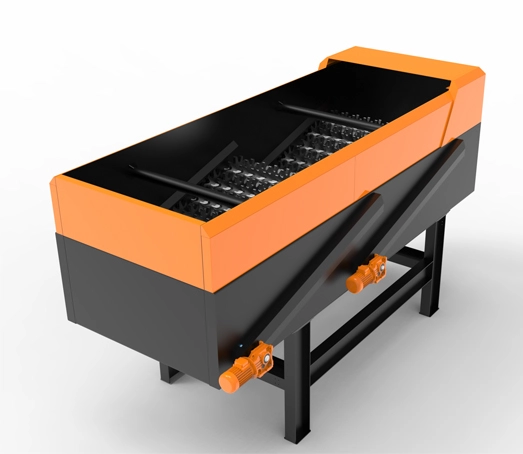

Sep 03, 2025
Blog

In aluminum machining and recycling operations, metal chips are often treated as a secondary concern. After all, they are just byproducts of CNC milling, turning, or drilling—until they start causing safety incidents, financial losses, or compliance issues.
In reality, aluminum chips must be dried before recycling, and the reasons go far beyond cleanliness. Moisture, cutting fluids, and residual oils trapped in aluminum chips directly affect recycling safety, scrap value, furnace stability, and environmental performance.
Freshly machined aluminum chips are rarely dry. They typically contain:
Water-based or oil-based cutting fluids
Emulsified coolant residues
Trapped moisture between curled or fine chips
At first glance, this may seem harmless. However, once these chips enter storage, transport, or remelting stages, the consequences become significant.
Wet aluminum chips behave very differently from solid aluminum scrap. Their high surface area, irregular geometry, and fluid retention make them far more reactive under heat and pressure.
The most critical reason aluminum chips must be dried is safety.
When wet aluminum chips are charged into a melting furnace, residual moisture instantly vaporizes upon contact with molten aluminum. This rapid phase change can cause:
Violent splashing of molten metal
Steam explosions
Damage to furnace linings
Serious injury risks to operators
These incidents are well documented in aluminum foundries and recycling plants worldwide. Even a small amount of moisture can be dangerous when trapped inside compacted or tangled chip masses.
Drying aluminum chips prior to recycling significantly reduces these risks by removing free and bound moisture before thermal processing.
Beyond safety, moisture directly affects the economic value of aluminum chips.
Scrap buyers and recyclers typically assess aluminum chip quality based on:
Metal purity
Residual moisture content
Oil and coolant contamination
Wet chips increase transport weight without increasing metal content. As a result, recyclers often apply price penalties or reject batches with excessive moisture or oil.
By using a professional aluminum chip dryer, manufacturers can:
Reduce residual moisture to below 1%
Remove excess cutting fluids
Deliver cleaner, higher-value aluminum scrap
Over time, the improvement in scrap pricing alone can justify the investment in proper chip drying equipment.
Cutting fluids are not just a moisture problem—they are also a contamination problem.
During remelting, oils and coolants:
Generate excessive smoke and fumes
Increase slag formation
Contaminate furnace atmospheres
Raise emissions control costs
In many regions, environmental regulations now require strict control over volatile organic compounds (VOCs) released during metal recycling.
Dry aluminum chips with minimal oil content help recyclers:
Maintain stable furnace conditions
Reduce exhaust treatment loads
Improve overall melt quality
Some workshops rely on gravity drainage or simple centrifuges to reduce coolant content. While these methods remove free liquids, they do not address:
Moisture trapped inside fine or curled chips
Emulsified coolant films
Capillary-held fluids
As a result, chips that appear “dry enough” on the surface may still contain dangerous moisture internally.
This is where a dedicated aluminum chip dryer becomes essential. By applying controlled heat and airflow, dryers remove residual moisture that mechanical methods cannot.
An aluminum chip dryer is designed specifically for the physical characteristics of aluminum chips. Unlike general-purpose drying systems, it focuses on:
Uniform heat distribution
Controlled drying temperatures
Safe handling of aluminum fines
Efficient vapor extraction
Typical drying systems reduce moisture content to levels suitable for:
Safe remelting
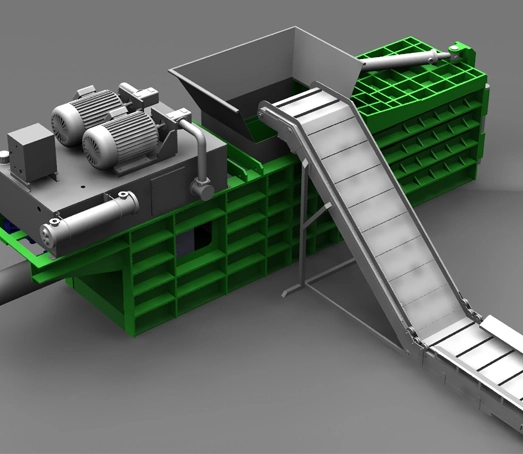
Briquetting
Long-term storage
Many modern systems also allow recovered cutting fluids to be filtered and reused, improving overall resource efficiency.
| Factor | Wet Aluminum Chips | Dried Aluminum Chips |
Remelting safety | High risk | Significantly improved |
Scrap value | Discounted | Higher market value |
Transport efficiency | Low | Improved |
Furnace stability | Poor | Stable |
Environmental impact | Higher emissions | Reduced emissions |
This comparison highlights why drying is no longer optional in professional aluminum recycling operations.
Environmental compliance is another major driver behind aluminum chip drying.
Wet chips contribute to:
Wastewater contamination
Excessive furnace emissions
Difficulties in meeting recycling standards
Drying aluminum chips helps manufacturers and recyclers align with:
Environmental protection regulations
ISO and sustainability requirements
OEM supplier audits
As sustainability becomes a key purchasing criterion, proper chip treatment increasingly affects business competitiveness.
Aluminum chip drying is especially critical in:
CNC machining workshops
Automotive component manufacturing
Aerospace machining
Aluminum recycling plants
Die casting operations
In these environments, large chip volumes and strict safety standards make uncontrolled moisture unacceptable.
Not all drying systems are equal. Key factors to consider include:
Chip volume and morphology
Type of cutting fluid used
Required residual moisture level
Integration with centrifuges or briquetting systems
Manufacturers like Yuebang focus on developing aluminum chip drying solutions that balance safety, efficiency, and long-term reliability for industrial users.