English
 日本語
日本語 한국어
한국어 français
 tiếng việt
 Indonesia
 Español
 العربية
 русский
Jun 10, 2026
Blog

If you’ve ever been inside a scrap yard or automotive recycling plant, you know dismantling engines is no joke. Traditionally, workers would take engines apart piece by piece—manual labor, wrenches, and a lot of patience. But in recent years, iron engine crackers have changed the game, offering a faster, safer, and more efficient way to process engines for recycling.
Let’s break down the comparison between manual engine dismantling and iron engine crackers, exploring safety, efficiency, cost, and environmental impact, so you can see why more companies are moving toward mechanized solutions.
Manual engine dismantling is the old-school method of separating engine components for recycling. It involves:
Workers disassembling the engine block, cylinder heads, crankshaft, and other parts
Sorting aluminum, iron, copper, and plastics manually
Using basic hand tools or small hydraulic presses for stubborn parts
Pros:
Low upfront cost: You don’t need expensive machinery
Flexibility: Workers can handle odd-shaped engines or unusual components
Cons:
Safety risks: Sharp edges, heavy parts, and potential chemical residues
Labor-intensive: Engines take significant time to dismantle, even for experienced technicians
Inconsistent yield: Manual sorting can miss small aluminum or iron fragments, reducing recovery value
If we quantify it roughly: a skilled worker might dismantle 4–6 small car engines per day. Heavy-duty truck engines? Forget it—productivity drops dramatically.
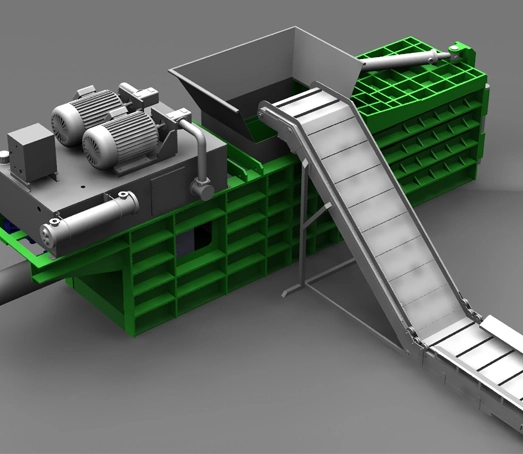
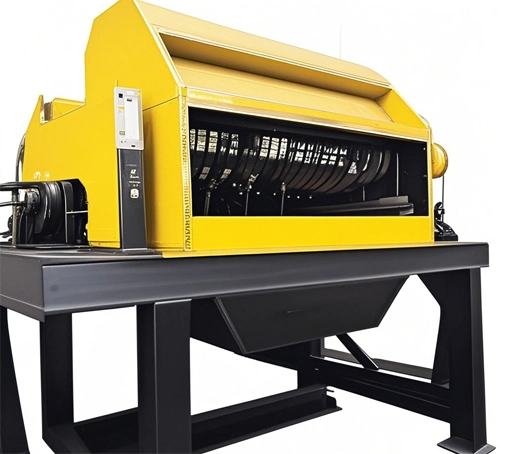
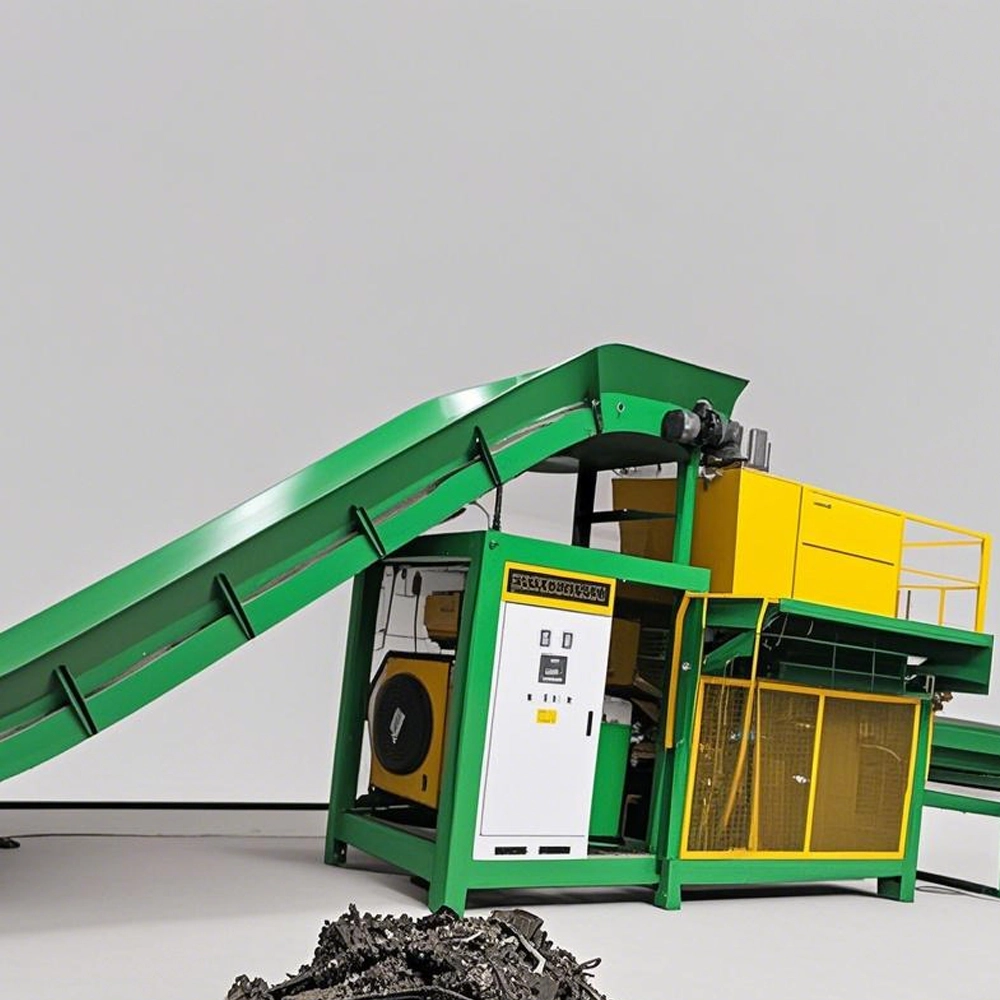
An iron engine cracker is a specialized machine designed to crush and separate engines efficiently. Using controlled hydraulic pressure, these machines break engine blocks into reusable scrap while separating metals like iron and aluminum for further processing.
Why it’s gaining traction:
Speed: One machine can process dozens of engines per shift
Consistency: Uniform crushing reduces metal loss
Safety: Minimizes worker exposure to heavy parts, cutting fluids, and debris
Integration: Many systems feed directly into sorting lines or briquetting machines
It’s not just about crushing engines. A good iron engine cracker can recover secondary materials like aluminum heads or copper wiring for resale, maximizing the recycling value.
| Feature | Manual Engine Dismantling | Iron Engine Cracker |
Throughput (engines/day) | 4–6 small car engines | 30–50+ engines depending on size |
Labor requirement | High | Minimal |
Safety | Medium risk | Low risk |
Material recovery | Medium | High (consistent separation) |
Upfront cost | Low | High (machine investment) |
Space requirement | Small | Medium-Large |
Looking at this table, it’s clear why iron engine crackers are becoming the standard for large-scale operations. You get higher throughput, safer work conditions, and more predictable recovery, all of which translate to real financial and operational benefits.
Manual dismantling comes with inherent risks:
Heavy engine parts can crush hands or feet
Metal shards and sharp edges pose laceration hazards
Exposure to oils and coolants can irritate skin or respiratory systems
Even with PPE, accidents happen. In contrast, iron engine crackers minimize human contact with the engines themselves. Workers mostly feed engines into the machine, monitor operations, and handle separated scrap safely downstream.
For companies with liability concerns or high-volume recycling, this is a compelling argument to invest in mechanization.
It’s tempting to assume that manual dismantling is cheaper because there’s no machine purchase. But consider total cost per engine:
Labor costs accumulate quickly, especially in regions with higher wages
Lower recovery rates mean less resale revenue from metals
Accident-related costs (medical, downtime, insurance) add up
In contrast, an iron engine cracker has a higher upfront cost, but ROI can be reached in months if throughput is high enough. Many operations report 30–50% faster processing, combined with more complete metal recovery, meaning the machine pays for itself relatively quickly.
Iron engine crackers also have an edge environmentally:
Manual dismantling often results in small metal fragments being lost or mixed with non-recyclable debris
Spilled cutting fluids and residual oils are more likely with hand disassembly
Mechanized cracking allows integration with fluid recovery and sorting systems, reducing waste and emissions
For companies looking to improve sustainability scores or comply with stricter recycling regulations, these machines help reduce environmental footprint while improving resource efficiency.
Small workshops: Manual dismantling might still make sense if engine volume is low, and flexibility is needed.
Medium-scale recyclers: Introducing a single iron engine cracker can dramatically increase throughput while keeping labor manageable.
Large-scale scrap yards or ELV (End-of-Life Vehicle) processing plants: Multiple crackers integrated with automated sorting lines can process hundreds of engines per day, ensuring maximum recovery and compliance.
Here’s something industry insiders often note: manual dismantling isn’t going away entirely. It’s still valuable for:
Handling unusually shaped engines or prototypes
Separating non-metal components before machine feeding
Low-volume specialty workshops
But for standard car and truck engines, the efficiency, safety, and recovery improvements from an iron engine cracker are undeniable.
When evaluating machines, consider:
Engine size and type compatibility
Hydraulic force capacity
Safety features and automation level
Integration with sorting, briquetting, or recycling lines
Energy consumption and maintenance requirements
Manufacturers like Yuebang offer solutions designed for industrial reliability while maximizing recovery rates and workplace safety.
In the age of industrial automation and sustainability, clinging solely to manual labor in engine dismantling is increasingly untenable. Iron engine crackers offer a path forward: safer workplaces, higher throughput, better metal recovery, and a smaller environmental footprint.
When integrated thoughtfully into a recycling operation, they turn what used to be a painstaking process into a streamlined, profitable, and environmentally conscious workflow.