English
 日本語
日本語 한국어
한국어 français
 tiếng việt
 Indonesia
 Español
 العربية
 русский
Aug 12, 2025
Blog

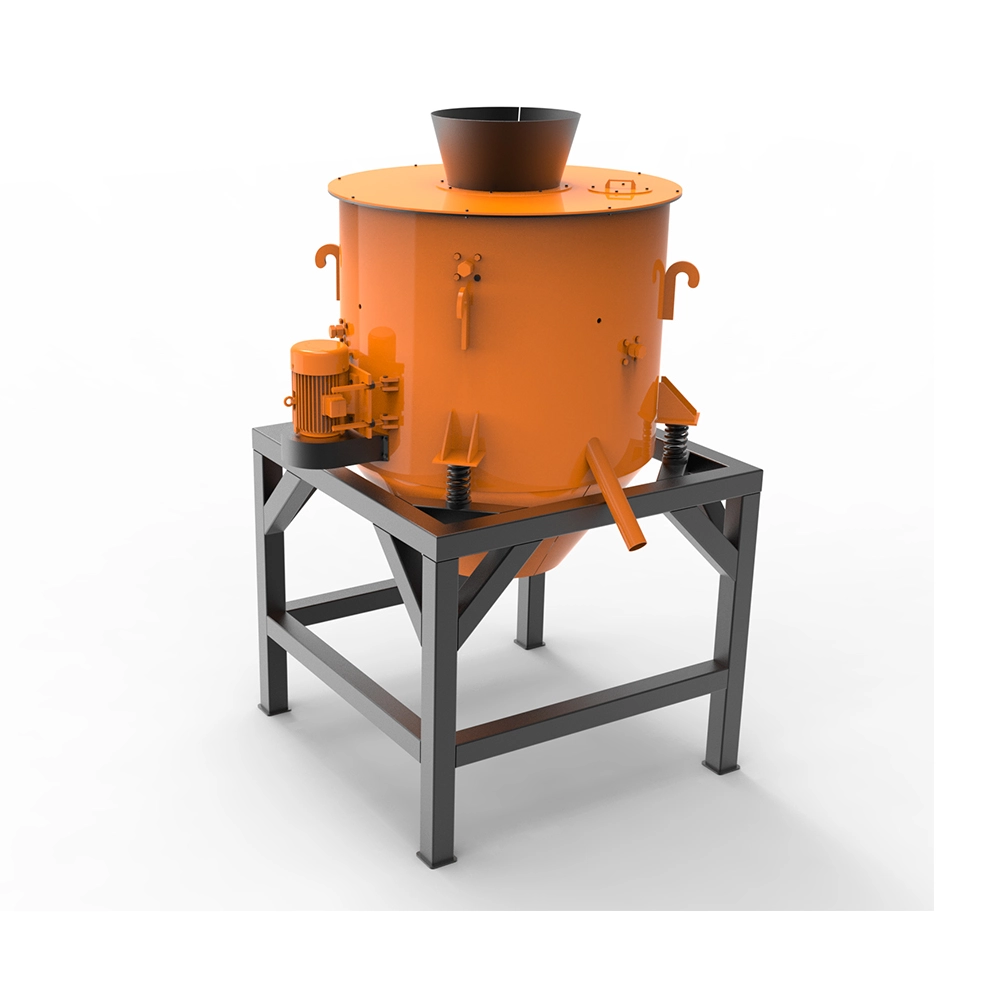
Environmental responsibility has become a defining factor in modern manufacturing. For aluminum machining operations, sustainability is no longer limited to energy-efficient machines or recyclable packaging. One often overlooked area is how aluminum chips are handled after machining.
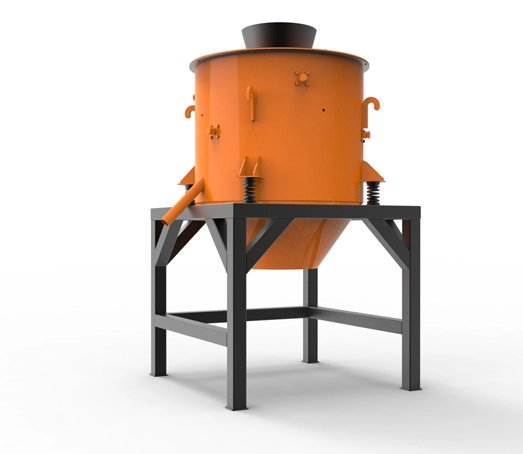
An aluminum chip dryer plays a critical role in reducing environmental impact across the aluminum recycling chain. By removing moisture, cutting fluids, and residual oils from aluminum chips, drying systems improve recycling efficiency while significantly lowering emissions, waste, and resource loss.
This article examines the environmental benefits of using an aluminum chip dryer, explaining why chip drying has become an essential process in sustainable aluminum manufacturing.
Aluminum machining generates large volumes of chips every day. These chips are typically mixed with:
Water-based coolants
Oil-based cutting fluids
Emulsified residues
Trapped moisture
When untreated, wet aluminum chips create multiple environmental challenges. They are heavier to transport, harder to recycle cleanly, and more likely to cause pollution during storage and remelting.
From an environmental perspective, aluminum chips are not waste—they are a recyclable resource. However, their environmental value depends entirely on how they are processed.
One of the primary environmental benefits of using an aluminum chip dryer is waste reduction.
Wet chips often contain a significant percentage of non-metal content. During recycling, this leads to:
Increased slag formation
Higher material loss during melting
Lower metal recovery rates
By drying aluminum chips before recycling, manufacturers reduce contaminants that would otherwise be burned off or discarded. Cleaner chips lead to higher aluminum recovery, meaning less raw aluminum needs to be mined and processed.
This directly supports circular manufacturing principles and reduces the overall environmental footprint of aluminum production.
When wet aluminum chips are charged into furnaces, residual oils and coolants burn off, generating:
Smoke and particulates
Volatile organic compounds (VOCs)
Odors and harmful fumes
These emissions place additional pressure on exhaust treatment systems and increase compliance costs.
An aluminum chip dryer removes moisture and oils before remelting, resulting in:
Cleaner furnace atmospheres
Lower exhaust emissions
Reduced load on filtration and scrubbing systems
For recycling plants and foundries, this translates into more stable operations and easier compliance with environmental regulations.
Cutting fluids are valuable industrial resources, yet they are often lost when aluminum chips are disposed of in wet condition.
Modern aluminum chip dryers are frequently integrated with fluid recovery systems, allowing oils and coolants to be:
Separated from chips
Filtered
Reused in machining operations
This reduces:
Coolant consumption
Waste fluid disposal
Chemical treatment requirements
From an environmental standpoint, recovering and reusing cutting fluids significantly reduces water pollution risks and chemical waste generation.
Wet aluminum chips are heavier than dry chips due to retained fluids. This increases:
Transportation weight
Fuel consumption
Carbon emissions per ton of recycled metal
Drying aluminum chips lowers their mass without reducing metal content. The result is more efficient logistics and a lower carbon footprint for every shipment.
For operations handling large volumes of aluminum chips, this environmental benefit becomes measurable and substantial over time.
Environmental regulations around metal recycling are becoming increasingly strict. Manufacturers are now expected to demonstrate control over:
Waste streams
Emissions
Resource efficiency
Using an aluminum chip dryer helps companies align with:
Environmental protection regulations
ISO 14001 environmental management systems
Sustainability audits from OEM customers
Dry, clean aluminum chips are easier to document, track, and certify as environmentally compliant material.
| Environmental Aspect | Wet Aluminum Chips | Dried Aluminum Chips |
Emissions during melting | High | Significantly reduced |
Coolant waste | High | Recoverable |
Slag generation | Increased | Reduced |
Transport emissions | Higher | Lower |
Recycling efficiency | Limited | Improved |
This comparison highlights why aluminum chip drying is increasingly seen as an environmental necessity rather than an optional process.
A common concern is whether aluminum chip dryers consume excessive energy. In practice, well-designed systems focus on efficiency, using:
Controlled drying temperatures
Optimized airflow
Heat recovery mechanisms
When evaluated across the entire recycling process, the energy used for drying is often offset by:
Reduced remelting energy
Lower exhaust treatment demand
Improved aluminum yield
From a lifecycle perspective, aluminum chip dryers contribute to net environmental gains.
Industries where aluminum chip drying supports environmental goals include:
CNC machining workshops
Automotive component manufacturing
Aerospace machining
Aluminum recycling plants
Die casting and extrusion facilities
In these sectors, sustainability reporting and environmental performance increasingly influence supplier selection.
To maximize environmental benefits, manufacturers should consider:
Chip volume and shape
Type of cutting fluids used
Required moisture reduction level
Integration with existing recycling systems
Companies like Yuebang focus on aluminum chip dryer designs that balance environmental performance with industrial reliability, helping customers meet both production and sustainability objectives.
The environmental benefits of using an aluminum chip dryer extend far beyond cleaner chips. By reducing emissions, conserving resources, improving recycling efficiency, and supporting regulatory compliance, aluminum chip drying plays a vital role in sustainable manufacturing.
As environmental standards continue to rise, aluminum chip dryers are no longer just auxiliary equipment—they are a key component of responsible aluminum processing.