What is the Difference Between a Grinder and a Hammer Mill Shredder?
A grinder reduces material size through abrasion and cutting, producing fine, uniform particles. It works best for small or precise materials such as powders or granules.
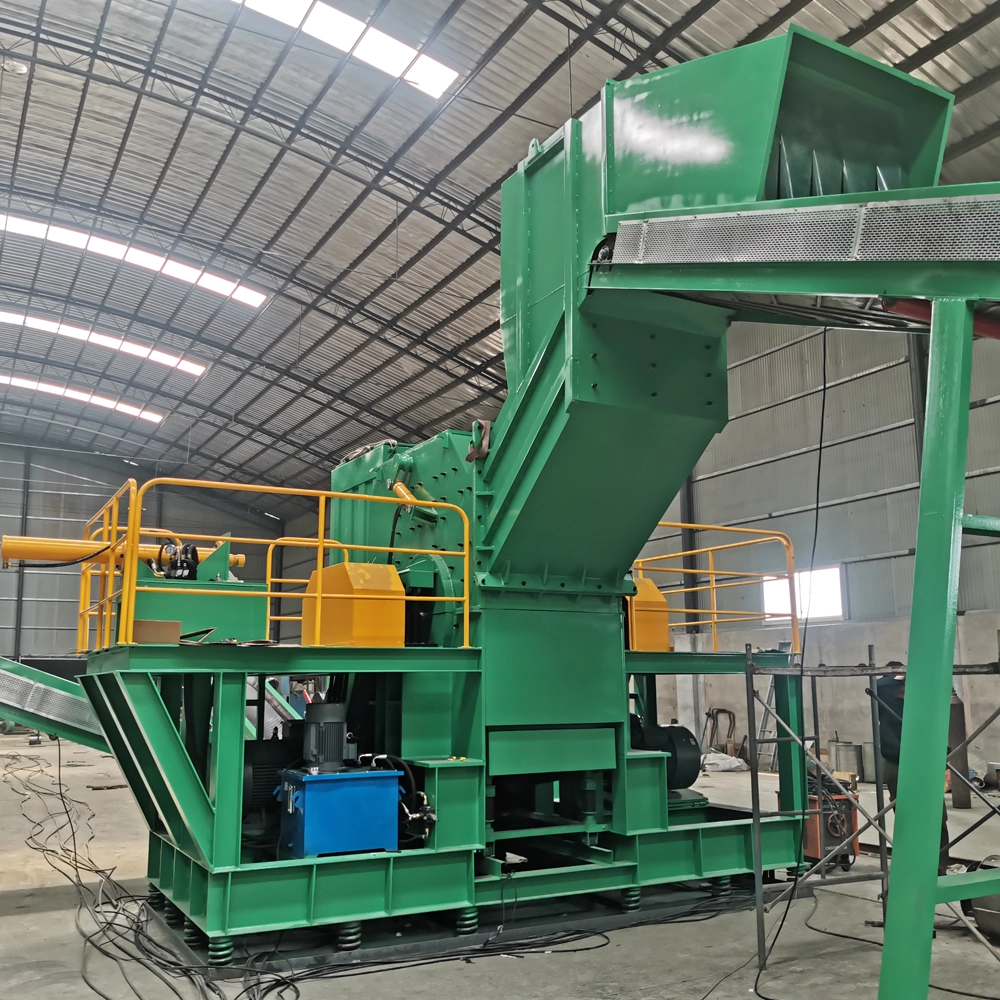
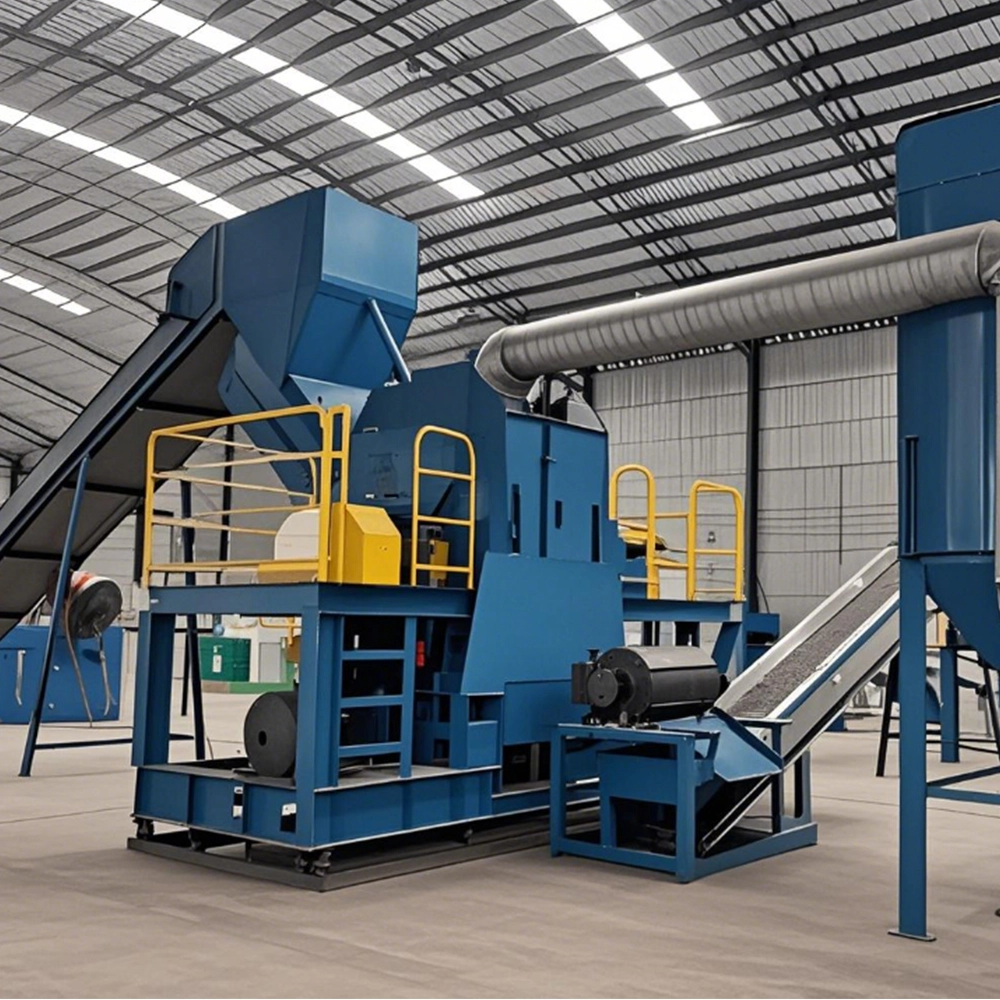
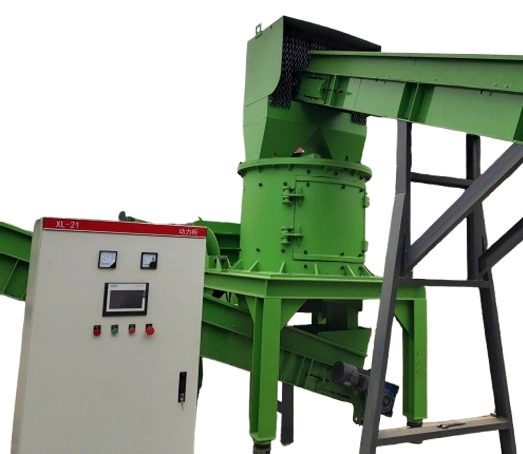
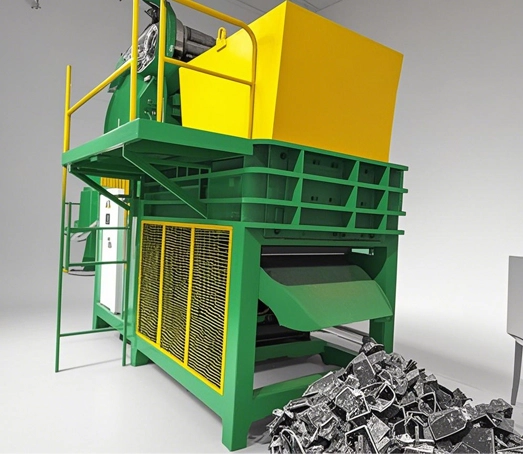
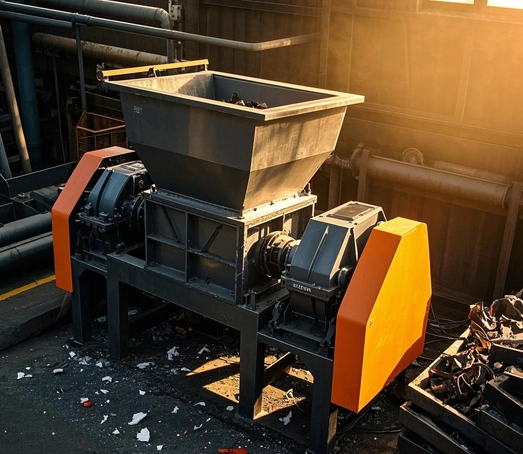
A hammer mill shredder uses high-speed rotating hammers to crush and tear larger, tougher materials like metal scraps, aluminum parts, or steel sheets. This design handles bulky industrial waste efficiently and delivers higher throughput, making it ideal for metal recycling and smelting preparation.
Grinders focus on fine processing, while hammer mill shredders provide heavy-duty crushing and consistent performance for large-scale material handling. Choosing the right machine depends on your material type, processing volume, and recovery goals.
Hammer Mill Shredder For Sale Functional Principle
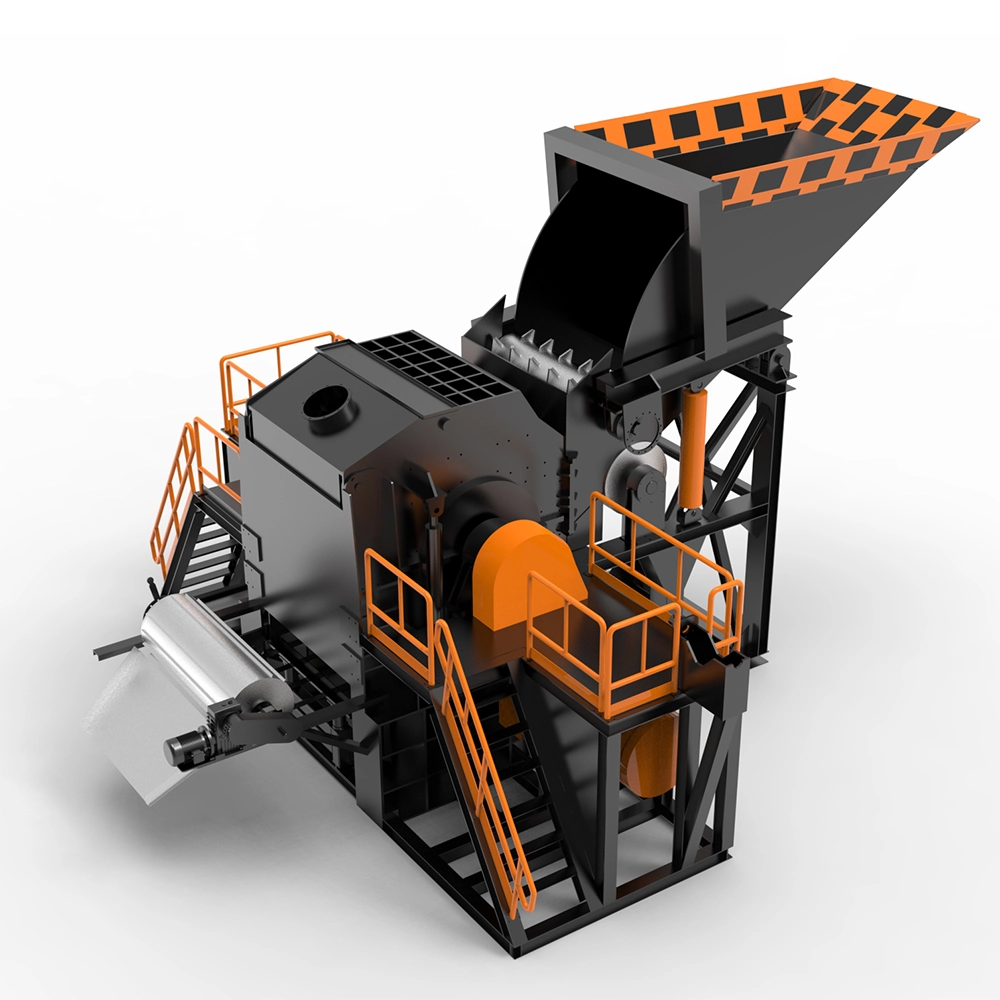
Material feeding — Scrap metal, aluminum boxes, alloy wheels, tinplate, metal scraps, and other waste enters through the feed hopper into the shredder chamber.
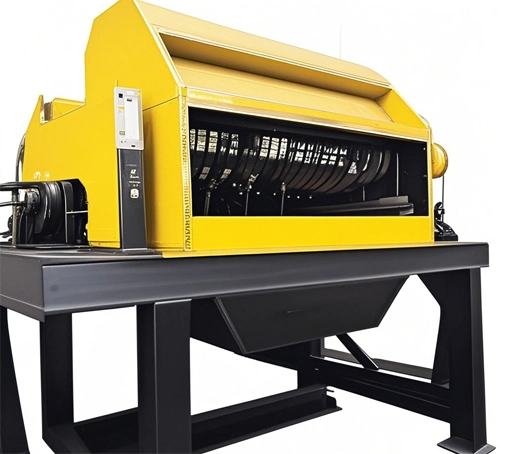
High-speed rotor and hammer action — A rotor driven by a robust motor spins at high speed, while a set of heavy-duty hammers (made of wear-resistant steel) swing or swing-freely strike, shear and tear the incoming material. This repeated impact and collision pulverizes and deforms the material, breaking it into smaller fragments.
Size reduction and classification — Surrounding the rotor is a perforated screen or grate. Material larger than the screen openings remains in the chamber for further hammering, while fragments small enough pass through the screen as final shredded output.
Discharge of shredded output — Once material size is reduced sufficiently, it exits the shredder through the discharge outlet. The result is uniformly shredded scrap suitable for downstream processes such as melting, smelting, recycling, or further separation.

 English
 日本語
日本語 한국어
한국어 français
 tiếng việt
 Indonesia
 Español
 العربية
 русский