English
 日本語
日本語 한국어
한국어 français
 tiếng việt
 Indonesia
 Español
 العربية
 русский

Jun 13, 2026
Blog

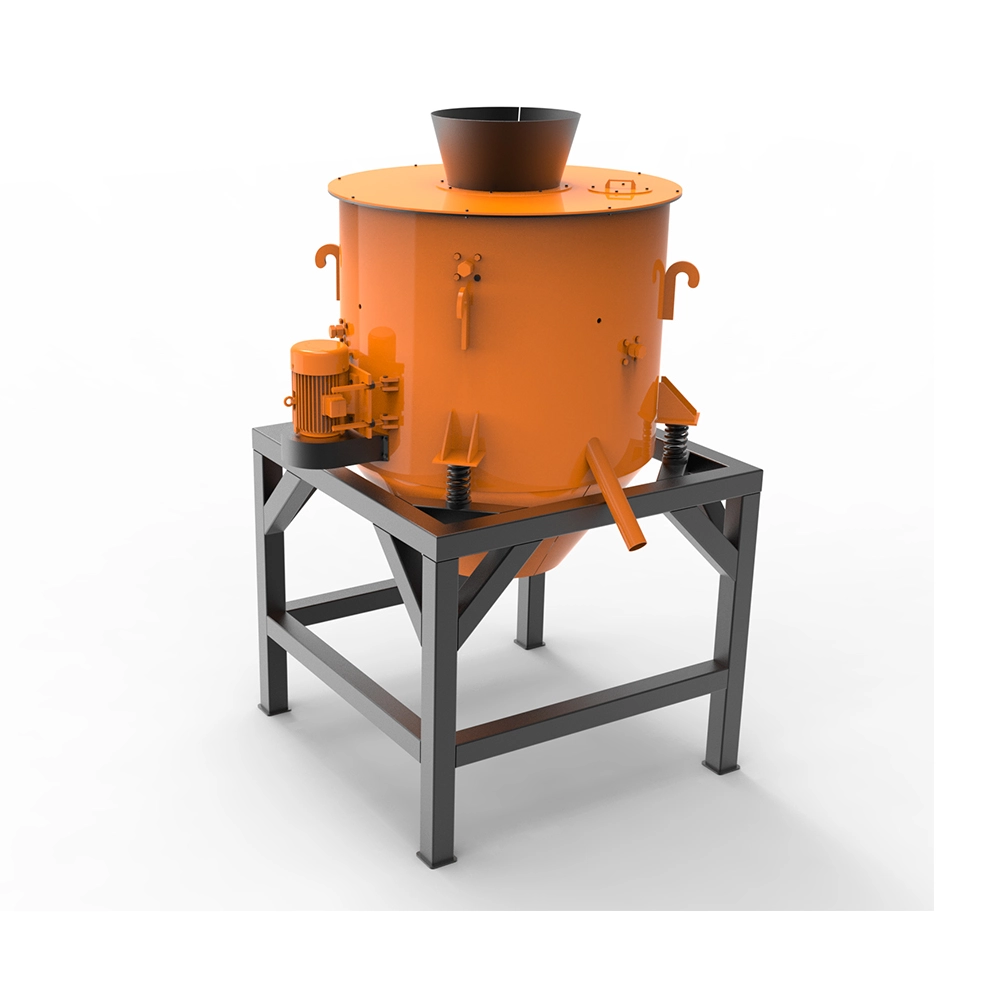
Aluminum machining operations generate large quantities of wet aluminum chips contaminated with cutting fluids, lubricants, coolant, and moisture. Before remelting, briquetting, or selling the material, recyclers must reduce moisture and recover valuable cutting oil.
The three most common drying technologies are Centrifuges, Rotary Dryers, and Thermal Dryers. Each solution offers different advantages in terms of moisture reduction, energy consumption, oil recovery, operating cost, and final material quality.
If your goal is selecting the most suitable aluminum chip dryer, understanding these differences can significantly improve metal recovery profits and reduce processing costs.
There is no universal answer because the optimal solution depends on chip type, moisture level, production volume, energy costs, and desired dryness.
Centrifuge: Best for oil recovery and low operating cost.
Rotary Dryer: Best for large production volumes.
Thermal Dryer: Best for achieving extremely low moisture content.
Many modern recycling plants combine two technologies to maximize efficiency and profitability.
Wet aluminum chips create multiple challenges during recycling and remelting.
Reduced scrap value
High transportation weight
Poor briquetting performance
Increased furnace energy consumption
Metal oxidation losses
Safety risks during remelting
Coolant contamination
Proper drying improves metal recovery rates while reducing production costs throughout the recycling process.
A centrifuge removes liquids through high-speed rotational force.
When wet chips enter the machine, centrifugal force separates coolant, cutting oil, and water from the metal chips.
Wet chips are loaded into the rotor.
High-speed spinning generates centrifugal force.
Liquid is expelled through perforated walls.
Recovered oil is collected for reuse.
Drier chips exit the system.
Low energy consumption
Excellent oil recovery
Fast processing cycle
Compact footprint
Minimal heat exposure
Low operating cost
Cannot achieve ultra-low moisture levels
Less effective on extremely fine chips
Limited drying performance compared with thermal systems
A rotary metal chip dryer uses a rotating drum combined with heated airflow to evaporate moisture from aluminum chips.
Material moves continuously through the rotating cylinder while hot air removes water and residual oil.
Rotating drum
Drive system
Burner or heating source
Dust collection system
Discharge conveyor
High processing capacity
Continuous operation
Suitable for large recycling plants
Handles mixed chip sizes
Reliable industrial performance
Higher energy consumption
Larger installation area
Limited oil recovery
Higher maintenance requirements
A thermal dryer uses controlled heat to remove moisture and residual oils from aluminum chips.
Unlike simple centrifugal separation, thermal systems actively evaporate liquids, achieving very low final moisture content.
Indirect thermal dryers
Hot air dryers
Vacuum dryers
Continuous thermal drying systems
Lowest moisture content
High-quality furnace feedstock
Improved briquetting performance
Reduced oxidation losses
Enhanced remelting efficiency
Highest energy cost
Higher capital investment
More complex controls
Longer installation period
| Factor | Centrifuge | Rotary Dryer | Thermal Dryer |
|---|---|---|---|
| Moisture Removal | Good | Very Good | Excellent |
| Oil Recovery | Excellent | Limited | Moderate |
| Energy Consumption | Low | Medium | High |
| Capital Cost | Low | Medium | High |
| Operating Cost | Low | Medium | High |
| Production Capacity | Medium | High | Medium-High |
| Floor Space | Small | Large | Medium |
| Maintenance | Low | Medium | Medium-High |
| Best For | Oil recovery | Large volume production | Ultra-dry chips |
Briquetting systems perform best when chip moisture levels are low and contamination is minimized.
For most briquetting plants:
Centrifuge + Briquetter = Good solution
Centrifuge + Thermal Dryer + Briquetter = Premium solution
The combination improves briquette density while reducing furnace losses during remelting.
Centrifuges are generally the industry leader in oil recovery.
Many machining facilities recover valuable cutting fluids that can be filtered and reused.
Benefits include:
Reduced coolant purchases
Lower waste disposal costs
Improved environmental compliance
Faster return on investment
For facilities processing several tons of aluminum chips per hour, rotary dryers often provide the best balance between throughput and operating efficiency.
Large-scale systems can operate continuously and integrate with:
Chip conveyors
Crushers
Briquetting presses
Melting furnaces
Automated handling systems
Many advanced recycling plants use a two-stage process.
Centrifuge removes most liquids.
Thermal dryer removes remaining moisture.
Briquetter compacts dried chips.
Furnace remelts clean material.
This approach maximizes both oil recovery and metal recovery.
Match equipment capacity to current production and future growth.
Determine the required final moisture level before selecting equipment.
Electricity and fuel costs significantly impact long-term profitability.
Facilities using expensive coolants may benefit greatly from centrifugal recovery.
Rotary dryers require considerably more floor space than centrifuges.
No. It removes most liquids but usually leaves residual moisture.
Centrifuges generally have the lowest operating cost because they require minimal energy.
Thermal dryers typically achieve the lowest final moisture content.
Yes. Rotary dryers are widely used for processing large volumes of aluminum chips and turnings.
A centrifuge followed by a thermal drying stage often produces the highest-quality furnace feedstock.
If your priority is coolant recovery and low operating costs, a centrifuge is usually the best investment. If you operate a high-volume recycling facility, a rotary dryer may provide the most economical throughput. For manufacturers and recyclers seeking the lowest moisture levels and maximum remelting efficiency, a thermal drying system remains the premium choice.
When selecting an aluminum chip dryer, focus not only on equipment price but also on energy consumption, oil recovery value, production capacity, and long-term return on investment. The most profitable solution is often the one that integrates seamlessly into your complete aluminum recycling process.