English
 日本語
日本語 한국어
한국어 français
 tiếng việt
 Indonesia
 Español
 العربية
 русский
Sep 03, 2025
Blog

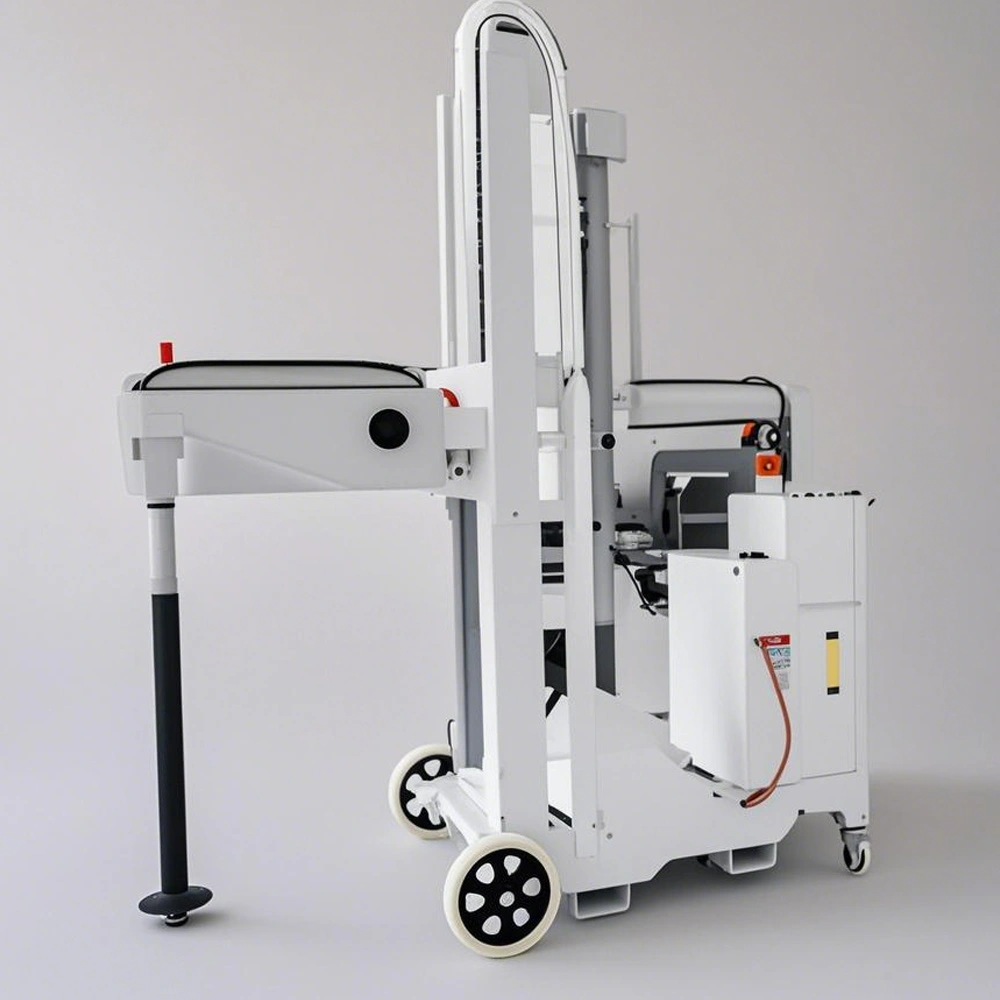
Hydrogen, oxide inclusions, and dissolved impurities are among the most common causes of porosity, reduced mechanical properties, and casting defects in aluminum production. Effective degassing is therefore a critical step in modern foundries, die-casting plants, aluminum recycling facilities, and secondary aluminum smelters.
Today, the three most widely used technologies are Rotary Degassing, Flux Degassing, and Vacuum Degassing. Each method offers different levels of hydrogen removal, inclusion reduction, operating cost, and process efficiency.
For companies investing in an Aluminum liquid degassing Machine, selecting the right technology can significantly improve casting quality, reduce scrap rates, and enhance overall profitability.
The best method depends on production requirements, alloy type, quality standards, and budget.
Rotary Degassing: Best overall balance of performance and cost.
Flux Degassing: Lowest investment cost.
Vacuum Degassing: Highest purity and hydrogen removal efficiency.
For most commercial aluminum casting operations, an aluminum degasser using rotary technology provides an effective balance of metallurgical performance and operating cost.
Molten aluminum naturally absorbs hydrogen from moisture in the surrounding environment.
As the metal solidifies, dissolved hydrogen becomes trapped inside the casting and creates defects.
Gas porosity
Reduced tensile strength
Poor surface finish
Machining defects
Pressure leakage
Lower fatigue resistance
Increased scrap rates
Degassing removes dissolved gases and improves the overall quality of finished aluminum products.
Rotary degassing uses a rotating graphite rotor to inject inert gas into molten aluminum.
The rotor breaks the gas into extremely fine bubbles, increasing contact between the gas and molten metal.
Hydrogen diffuses into the bubbles and rises to the surface where it is removed from the melt.
Nitrogen (N₂)
Argon (Ar)
Nitrogen-Argon mixtures
Excellent hydrogen removal
High production efficiency
Continuous operation capability
Reduced inclusion content
Suitable for automation
Widely accepted industry technology
Rotor wear and replacement costs
Requires inert gas supply
Higher initial investment than flux treatment
Flux degassing involves adding specialized chemical fluxes directly into molten aluminum.
The flux reacts with impurities and promotes hydrogen removal while helping inclusions float to the surface.
Small foundries
Secondary aluminum production
Low-volume casting operations
Budget-sensitive facilities
Low equipment investment
Simple operation
Suitable for small batches
Easy implementation
Less consistent results
Higher operator dependence
Potential environmental concerns
Flux residue generation
Lower hydrogen removal efficiency
Vacuum degassing removes dissolved gases by exposing molten aluminum to a low-pressure environment.
Under vacuum conditions, hydrogen becomes easier to remove from the melt, resulting in exceptionally low gas content.
Highest hydrogen removal efficiency
Excellent metallurgical quality
Very low porosity levels
Suitable for premium applications
Reduced contamination risk
Highest capital investment
Complex equipment design
Higher maintenance costs
Slower processing compared with rotary systems
| Factor | Rotary Degassing | Flux Degassing | Vacuum Degassing |
|---|---|---|---|
| Hydrogen Removal | Excellent | Moderate | Outstanding |
| Inclusion Removal | Excellent | Good | Very Good |
| Operating Cost | Medium | Low | High |
| Capital Cost | Medium | Low | Very High |
| Automation | High | Low | Medium |
| Production Speed | Fast | Moderate | Moderate |
| Environmental Impact | Low | Higher | Low |
| Best Application | General production | Small foundries | Premium products |
Most modern foundries and aluminum recycling plants choose rotary degassing because it offers an excellent balance between quality, throughput, and operating cost.
A modern Aluminum liquid degassing Machine equipped with advanced rotary technology can achieve:
High hydrogen removal rates
Stable process control
Reduced scrap generation
Lower labor requirements
Consistent casting quality
These advantages explain why rotary systems are increasingly replacing traditional flux-only treatment methods.
Secondary aluminum producers often process contaminated scrap and recycled metal with varying quality.
In these situations, rotary degassing generally provides the best results because it can remove both hydrogen and certain non-metallic inclusions effectively.
Many recycling plants combine:
Flux treatment
Rotary degassing
Ceramic filtration
This integrated approach maximizes melt cleanliness and casting performance.
Die casting operations require low porosity and high dimensional consistency.
Rotary degassing is often preferred because it delivers reliable hydrogen reduction without significantly slowing production.
For critical automotive components, some manufacturers supplement rotary treatment with additional filtration systems.
Aerospace castings typically require the highest metallurgical standards.
Vacuum degassing is frequently selected for:
Aerospace components
Military castings
High-performance engineering parts
Specialized aluminum alloys
The superior gas removal capability helps achieve extremely low porosity levels.
| Equipment Type | Typical Investment Range |
|---|---|
| Flux Treatment Equipment | US$1,000 - US$10,000 |
| Rotary Degassing Unit | US$8,000 - US$80,000+ |
| Vacuum Degassing System | US$50,000 - US$500,000+ |
Actual prices vary according to capacity, automation level, gas control systems, and customization requirements.
High-volume facilities generally benefit from automated rotary systems.
Critical castings may justify investment in vacuum technology.
Consider gas consumption, maintenance, energy usage, and consumables.
Initial investment should be balanced against long-term productivity gains.
Rotary and vacuum systems often generate fewer environmental concerns than traditional flux-intensive processes.
Yes. Rotary degassing helps remove certain non-metallic inclusions while simultaneously reducing hydrogen content.
Not necessarily. While vacuum systems achieve superior gas removal, many foundries do not require such high purity levels and can achieve excellent results using rotary technology.
Yes. Many small foundries successfully use flux treatment alone, although metallurgical performance may not match advanced rotary systems.
Nitrogen and argon are the most common inert gases used in modern systems.
For most medium and large foundries, rotary degassing typically delivers the fastest return on investment because it combines moderate equipment cost with substantial quality improvements.
For most aluminum foundries, die-casting facilities, and recycling plants, rotary degassing remains the most practical and cost-effective solution. It delivers excellent hydrogen removal, strong inclusion reduction, high productivity, and reliable process control.
Flux degassing remains attractive for smaller operations with limited budgets, while vacuum degassing serves specialized applications requiring the highest possible metallurgical purity. When selecting an Aluminum liquid degassing Machine, decision-makers should evaluate production volume, quality requirements, operating costs, and long-term return on investment rather than focusing solely on equipment price.