English
 日本語
日本語 한국어
한국어 français
 tiếng việt
 Indonesia
 Español
 العربية
 русский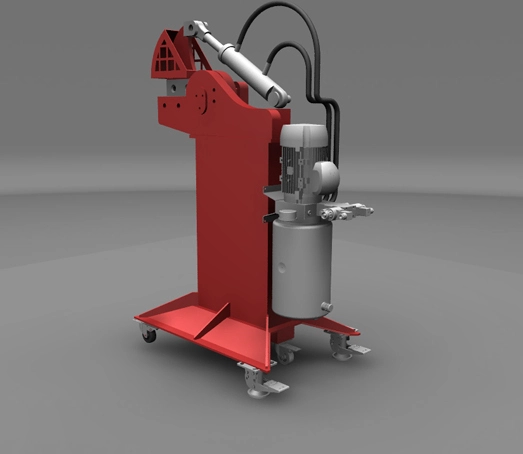
Oct 17, 2024
Blog

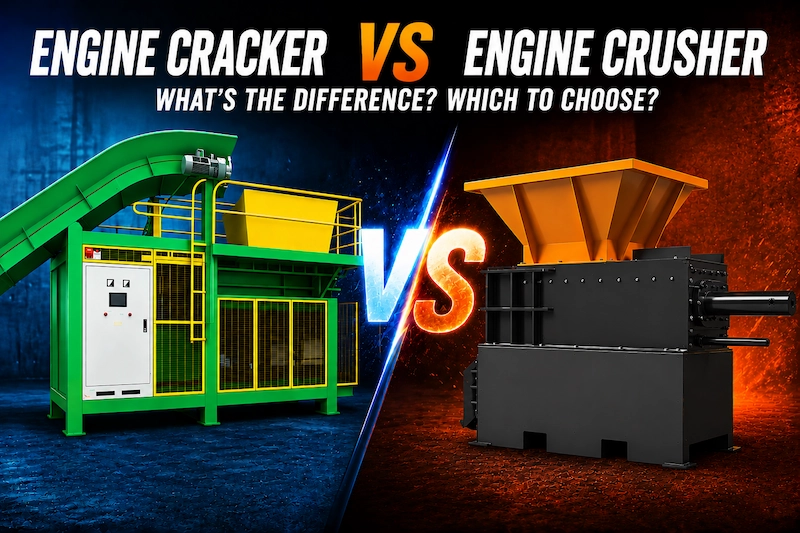
When recycling scrap engines from automobiles, trucks, marine equipment, or industrial machinery, choosing the right processing equipment significantly impacts metal recovery rates, labor costs, operating efficiency, and overall profitability. Two machines frequently considered by recyclers are the Engine Cracker and the Engine Crusher.
Although these terms are sometimes used interchangeably, they serve different purposes in engine recycling operations. An iron engine cracker or aluminum engine cracker is designed primarily for separating engine blocks and exposing valuable internal metals, while an engine crusher focuses on volume reduction and material preparation for downstream processing.
Understanding these differences can help recyclers, scrap yards, foundries, and metal recovery plants select the most suitable solution for their production goals.
An Engine Cracker is a heavy-duty hydraulic machine specifically engineered to break open engine blocks, cylinder heads, gearboxes, and transmission housings.
Rather than compressing the entire engine, the machine applies concentrated hydraulic force to crack the housing and separate different metal components.
Break cast iron engine blocks
Separate aluminum engine housings
Expose copper windings and inserts
Recover steel crankshafts
Improve metal sorting efficiency
Reduce manual dismantling labor
Many modern recycling facilities use an iron engine cracker to process diesel engines and heavy truck engines due to their thick cast iron construction.
Meanwhile, an aluminum engine cracker is commonly used for passenger vehicle engines where aluminum recovery is a primary objective.
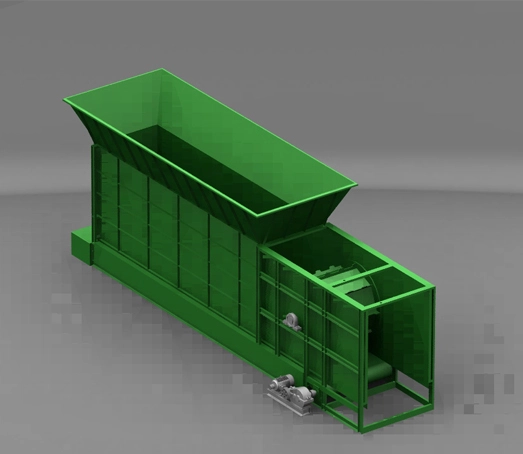
An Engine Crusher is designed to reduce the physical size of engines through crushing and compression.
Instead of separating materials, the machine focuses on creating smaller pieces that can be transported, stored, or fed into shredders more efficiently.
Volume reduction
Material densification
Transportation cost reduction
Shredder preparation
Scrap handling improvement
Storage optimization
Engine crushers are often found in large-scale scrap yards that process high volumes of mixed metal waste.
| Factor | Engine Cracker | Engine Crusher |
|---|---|---|
| Primary Purpose | Material separation | Volume reduction |
| Metal Recovery | High | Moderate |
| Copper Recovery | Excellent | Limited |
| Aluminum Recovery | Excellent | Moderate |
| Processing Method | Hydraulic cracking | Crushing/compression |
| Downstream Sorting | Easier | More difficult |
| Labor Savings | High | Medium |
| Typical Users | Metal recyclers | Scrap processors |
An iron engine cracker is ideal when processing:
Truck engines
Diesel engine blocks
Construction machinery engines
Agricultural machinery engines
Marine diesel engines
Handles heavy cast iron structures
Recovers steel and copper efficiently
Reduces manual cutting requirements
Improves worker safety
Scrap metal recycling plants
Automotive dismantling facilities
Industrial recycling centers
Foundries processing ferrous scrap
An aluminum engine cracker is optimized for modern automotive engines where aluminum content is high.
Since aluminum carries greater value when separated cleanly from contaminants, cracking technology often delivers higher profits than direct crushing.
Passenger car engines
SUV engines
Hybrid vehicle engines
Motorcycle engines
Light truck engines
Higher aluminum purity
Reduced contamination
Better resale value
Improved non-ferrous metal recovery
In most cases, engine crackers generate higher revenue because they maximize metal recovery.
For example, a typical engine contains:
Cast iron
Aluminum
Copper
Steel
Brass
When these materials are separated before selling, recyclers often receive significantly higher prices compared to mixed scrap.
An engine crusher may process more volume per hour, but the recovered material often requires additional sorting.
| Operation Size | Recommended Equipment |
|---|---|
| Small Scrap Yard | Engine Cracker |
| Automotive Dismantler | Engine Cracker |
| Medium Recycling Plant | Engine Cracker + Crusher |
| Large Metal Recycler | Combined Processing Line |
| Mega Shredding Facility | Crusher + Shredder |
For many recycling operations, yes.
Traditional dismantling often requires:
Gas cutting
Plasma cutting
Hammer breaking
Manual separation
Modern hydraulic engine crackers significantly reduce these labor-intensive processes while improving worker safety and consistency.
Choose sufficient cracking force for the engine sizes you process.
Verify the machine can accommodate your largest engine blocks.
Faster cycles improve productivity and reduce labor costs.
Look for hardened cracking jaws and wear-resistant components.
Reliable spare parts and technical support reduce downtime.
For metal recovery and profitability, an engine cracker is usually the better choice. For volume reduction and shredder preparation, an engine crusher may be more suitable.
Not always. Machines should be selected according to the material strength and engine type.
Large recycling facilities often use both. The cracker separates materials, while the crusher reduces size for transportation or further shredding.
Common recovered metals include aluminum, cast iron, steel, copper, and brass.
If your objective is maximum metal recovery and higher scrap value, investing in an iron engine cracker or aluminum engine cracker is generally the most profitable solution. These machines allow recyclers to separate valuable materials efficiently while reducing labor costs and improving processing safety.
If your operation prioritizes throughput, transportation efficiency, or shredder feeding, an engine crusher may be the better choice. For larger recycling facilities, combining both technologies often delivers the best balance between productivity and profitability.