English
 日本語
日本語 한국어
한국어 français
 tiếng việt
 Indonesia
 Español
 العربية
 русский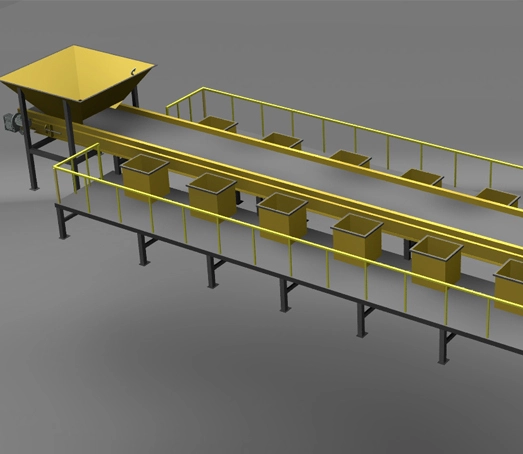

Sep 01, 2026
Blog

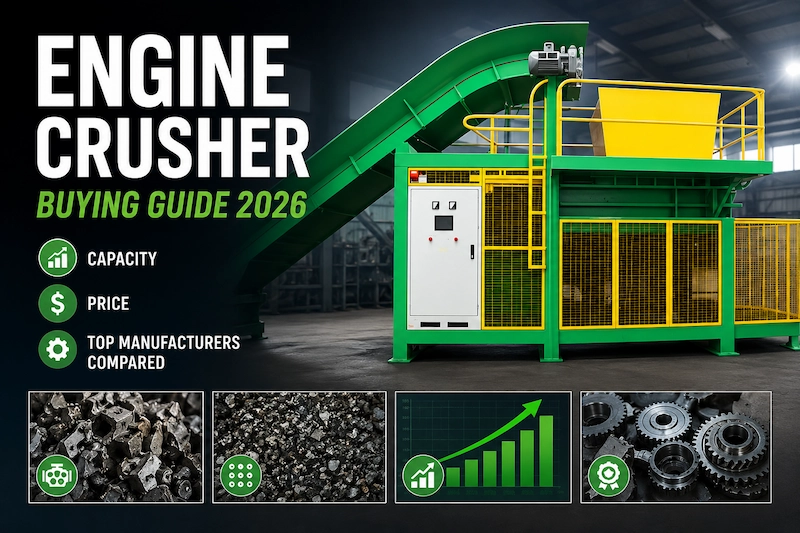
Choosing the right engine crusher can significantly impact profitability, metal recovery rates, labor costs, and overall recycling efficiency. As scrap engine recycling continues to grow worldwide, recyclers, scrapyards, automotive dismantling facilities, and metal recovery plants are increasingly investing in specialized engine crushing equipment.
However, engine crushers vary considerably in processing capacity, crushing force, automation level, maintenance requirements, and price. Selecting the wrong machine can result in bottlenecks, excessive operating costs, and lower return on investment.
This 2026 buying guide explains how to evaluate engine crushers, compare manufacturers, understand pricing factors, and choose the most suitable solution for your operation.
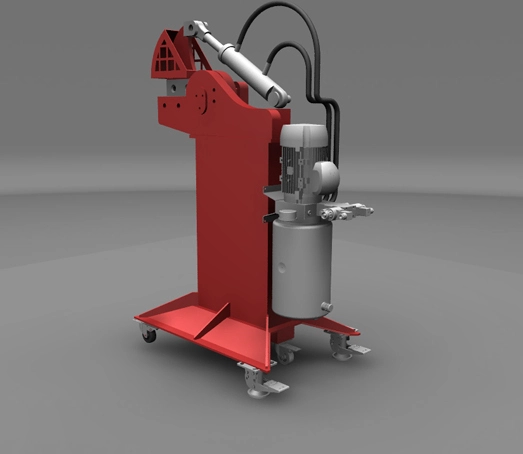
An engine crusher, including specialized equipment such as an aluminum engine cracker, is a heavy-duty hydraulic recycling machine designed to reduce the size of automotive engines, diesel engines, transmission housings, cylinder heads, and other metal engine components.
The machine applies powerful hydraulic force to break and compress engine blocks into smaller pieces, making transportation, storage, metal separation, and downstream shredding more efficient.
Cast iron engines
Aluminum engine blocks
Truck engines
Transmission housings
Gearboxes
Cylinder heads
Industrial engine components
Mixed ferrous and non-ferrous scrap
Modern recycling facilities face increasing pressure to improve productivity while reducing labor costs.
Traditional dismantling methods often require:
Manual cutting
Torch dismantling
Heavy labor involvement
Long processing times
Higher safety risks
Engine crushers automate much of the process and provide more consistent output.
Higher throughput
Reduced labor costs
Improved worker safety
Lower transportation expenses
Better shredder feeding efficiency
Increased processing capacity
Capacity is often the most important consideration when purchasing an engine crusher.
Buying too small limits production growth, while oversized equipment increases investment costs unnecessarily.
| Operation Type | Recommended Capacity |
|---|---|
| Small Scrap Yard | 1-3 Tons/Hour |
| Automotive Dismantler | 2-5 Tons/Hour |
| Regional Recycler | 5-10 Tons/Hour |
| Large Recycling Plant | 10-20 Tons/Hour |
| Industrial Processing Facility | 20+ Tons/Hour |
Most medium-sized recyclers find machines in the 5-10 tons/hour range provide the best balance between investment and productivity.
The crushing force determines what types of engines the machine can process efficiently.
| Engine Type | Recommended Hydraulic Force |
|---|---|
| Passenger Car Engines | 100-200 Tons |
| SUV Engines | 150-250 Tons |
| Truck Engines | 250-400 Tons |
| Heavy Diesel Engines | 400+ Tons |
Facilities processing heavy cast iron engines should prioritize crushing force over speed.
Pricing varies depending on capacity, automation level, hydraulic system design, and manufacturer.
| Machine Size | Typical Price Range |
|---|---|
| Small | US$15,000 - US$40,000 |
| Medium | US$40,000 - US$100,000 |
| Large | US$100,000 - US$250,000 |
| Fully Automated System | US$250,000+ |
These figures are general market estimates. Actual pricing depends on machine specifications, automation features, and supplier location.
Premium hydraulic components improve reliability but increase initial investment.
Automated feeding, sorting, and discharge systems increase productivity while reducing labor requirements.
High-strength steel construction improves durability and reduces maintenance frequency.
Larger motors support higher throughput but increase both purchase price and operating costs.
Advanced monitoring systems, emergency stop functions, and protective enclosures add value and improve workplace safety.
The answer depends on your business model.
Best for:
Small scrapyards
Automotive dismantlers
Limited investment budgets
Facilities already owning downstream equipment
Best for:
High-volume recyclers
Industrial metal processors
Export-oriented recycling facilities
Operations seeking maximum automation
Integrated systems often include conveyors, separators, shredders, briquetters, and dust collection equipment.
Modern crushers increasingly include PLC controls and remote diagnostics.
Variable-frequency drives and energy-saving hydraulic systems reduce operating costs.
Reduce labor requirements and improve throughput consistency.
Easy access to wear components minimizes downtime.
Critical for processing cast iron and heavy diesel engines.
| Evaluation Factor | Importance |
|---|---|
| Manufacturing Experience | Very High |
| Hydraulic Technology | Very High |
| After-Sales Service | Very High |
| Spare Parts Availability | High |
| Customization Capability | High |
| Export Experience | High |
| Certifications | Medium |
Rather than selecting solely based on price, buyers should evaluate the total ownership cost over the machine's lifetime.
The answer determines the required crushing force and machine configuration.
Capacity planning should consider future expansion as well as current requirements.
Export-oriented recyclers often require higher purity and more advanced processing systems.
Higher automation reduces labor costs but increases initial investment.
Choose equipment that matches available technical resources.
Choosing based only on purchase price
Ignoring spare parts availability
Underestimating future production growth
Selecting insufficient crushing force
Overlooking operating costs
Failing to evaluate after-sales support
These mistakes often lead to lower productivity and higher long-term costs.
With proper maintenance, high-quality engine crushers commonly operate for 10-15 years or longer.
Yes. Most industrial engine crushers can process both materials, although capacity may vary depending on engine size and design.
Modern automated systems often require only one or two operators.
Many recycling facilities achieve payback within 12-36 months, depending on throughput and scrap metal prices.
Most professional manufacturers offer customized feeding systems, crushing chambers, conveyors, and control systems.
The best engine crusher is not necessarily the cheapest machine or the one with the highest capacity. The optimal choice depends on your material type, processing volume, labor costs, growth plans, and desired level of automation.
For most recyclers in 2026, investing in a reliable medium-capacity engine crusher with strong hydraulic performance, durable construction, and dependable after-sales support provides the best long-term value. Carefully comparing capacity, operating costs, maintenance requirements, and manufacturer reputation will help ensure a profitable investment for years to come.